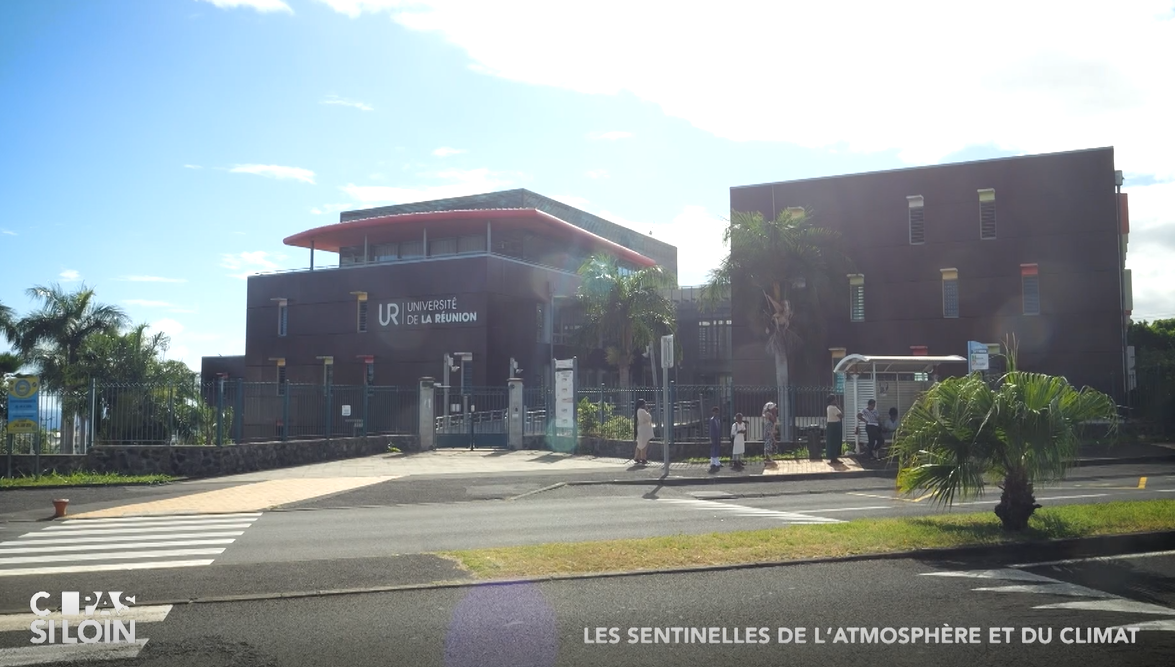
In March 2026, a team of the French show “C pas si loin” (translated to “it’s not that far”) has been highlighting the work made by OSU-Réunion and OPAR (Observatory of Atmospheric Physics in Reunion / Observatoire de Physique de l’Atmosphère à la Réunion).
Disclaimer: The video is in French but we have translated some of the part
concerning OPAR below.
In that context, our esteemed colleague Marie-Dominique Leroux, climatologist from Météo-France and Isabelle Bénézeth, interministerial coordinator for Copernicus have been interviewed as well.
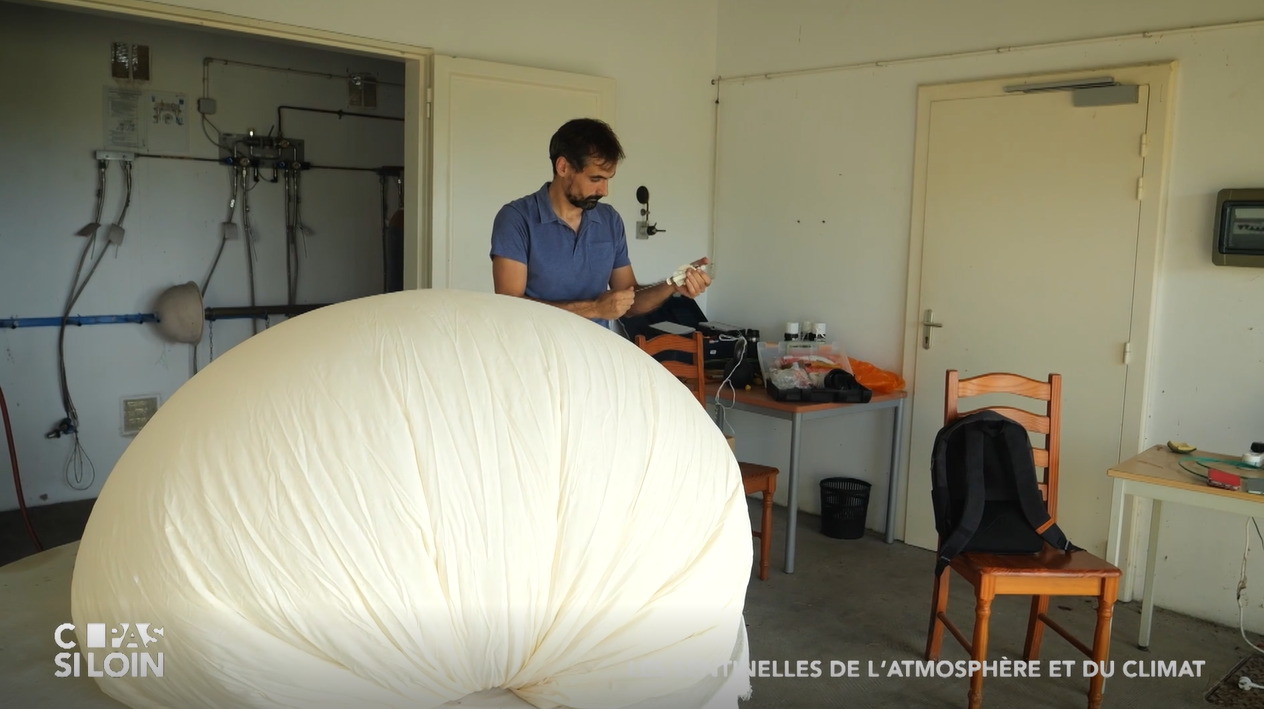
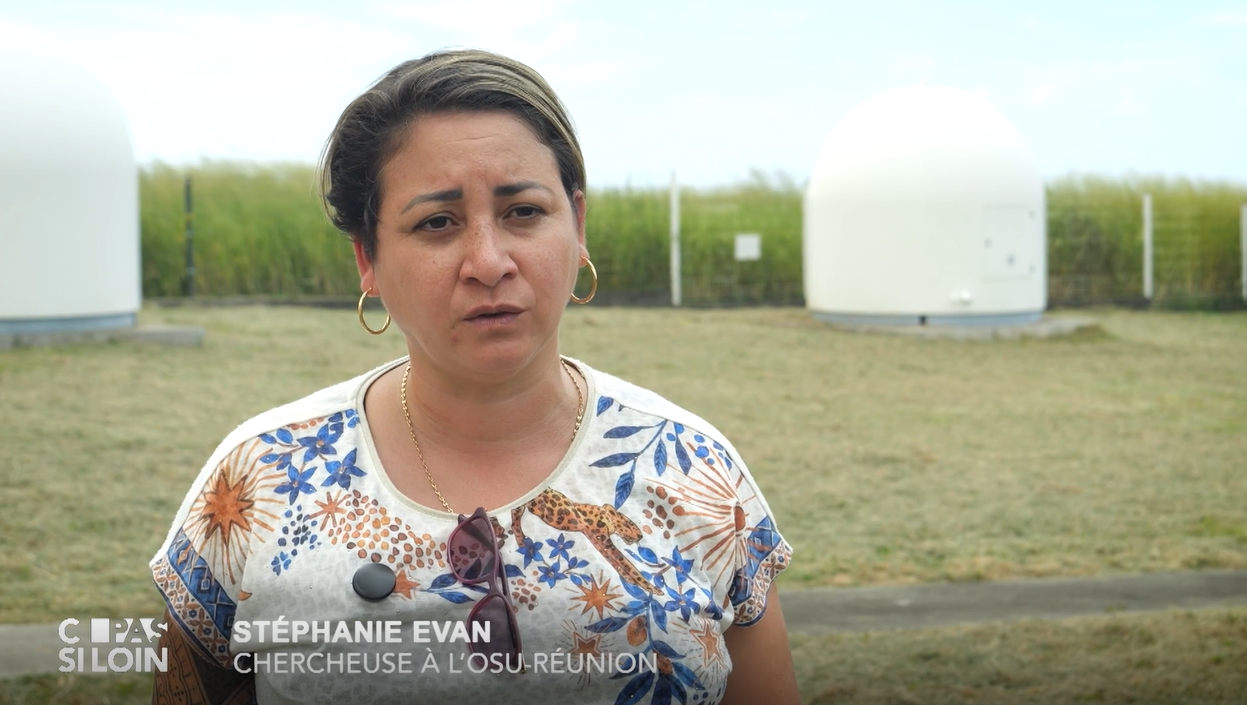
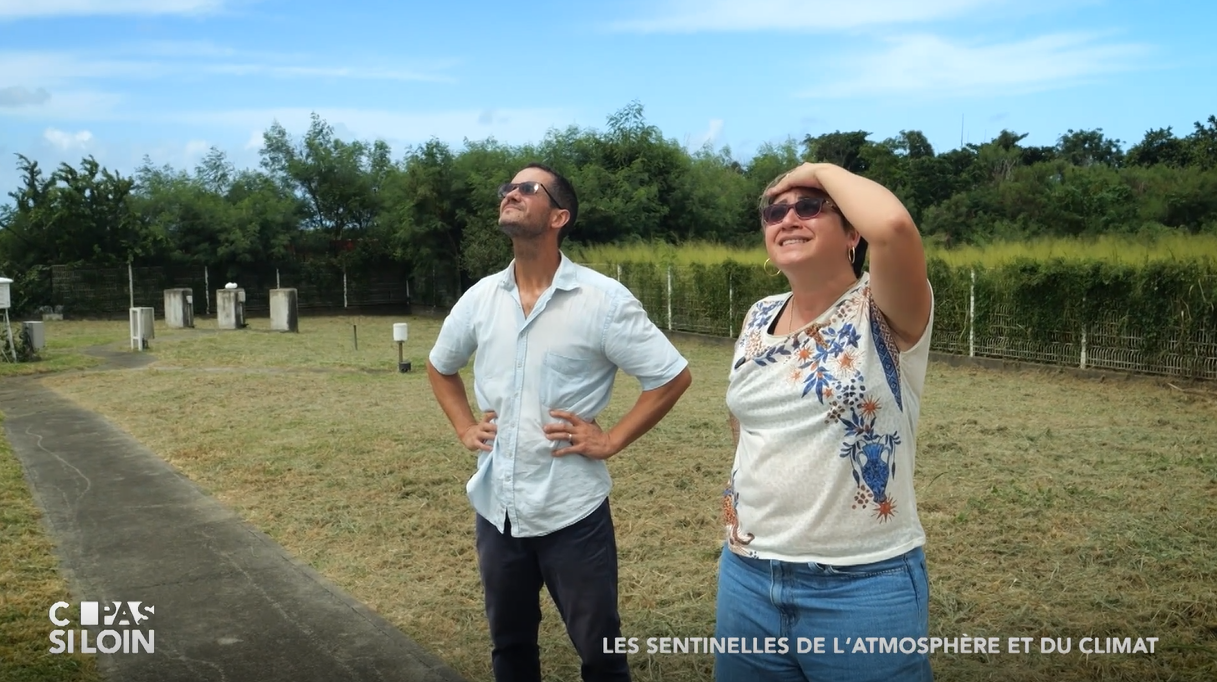
In this documentary, first comes an interview of Dr Stéphanie Evan (OSU-Réunion), explaining the regular balloon releases to study the Ozone in the Atmosphere.
They are “measuring ozone concentrations from the Earth’s surface up to 30 km. Ozone is a gas that occurs at varying concentrations between the surface and high altitudes. When present in excess, it can irritate the respiratory tract and is therefore harmful to human health. When found at higher altitudes and in large quantities, it is known as ‘good ozone’ because it protects us from the sun’s UV rays. It helps prevent skin cancer and is a gas that is vital for life on Earth.“
“These are measures that will be used to feed into international databases and will help the scientific community to understand the full range of processes affecting the ozone layer and its recovery“
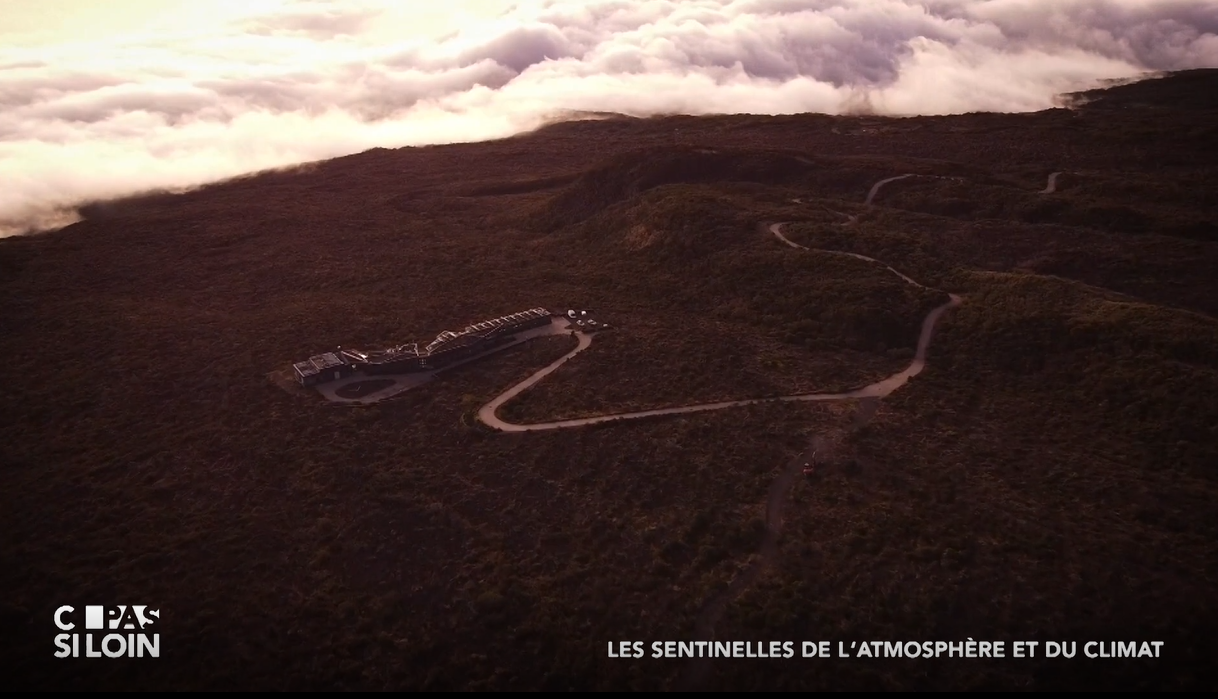
Dr Olivier Magand, Scientific director of OPAR states that “the observatory is a unique observation site in the southern hemisphere and acts as an environmental and climate sentinel. We’ll be seeing round-the-clock, continuous observations using around fifty instruments. It enable us to measure and collect data on over a hundred atmospheric and environmental variables.
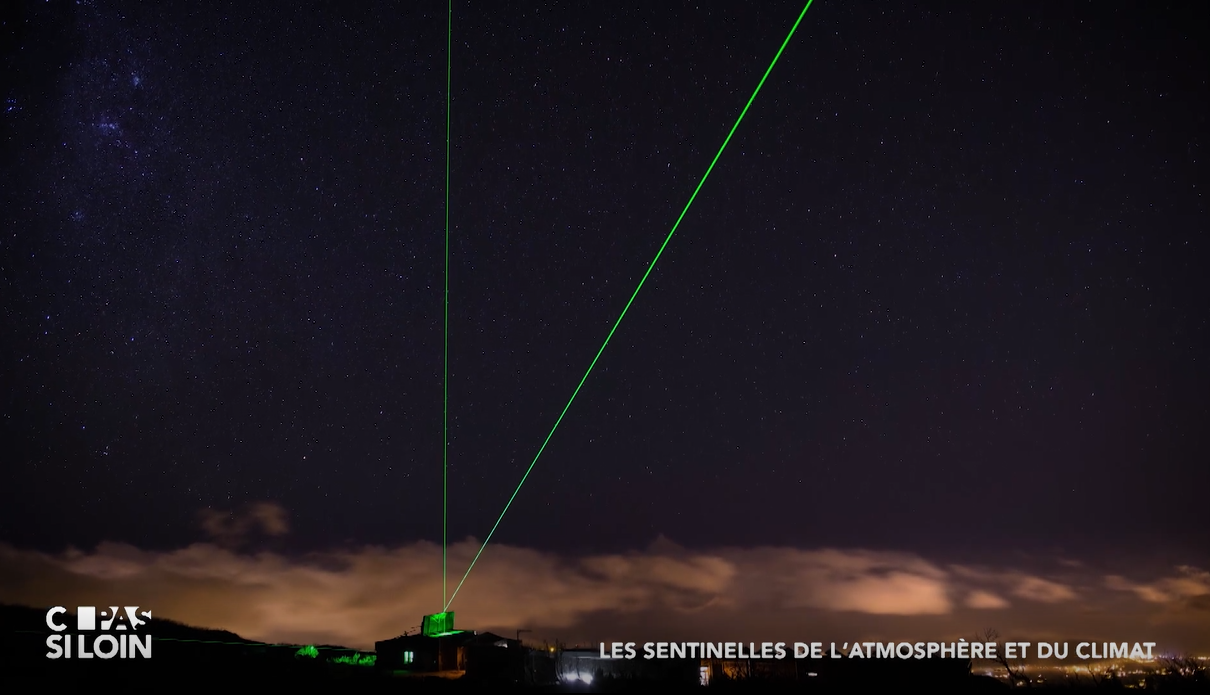
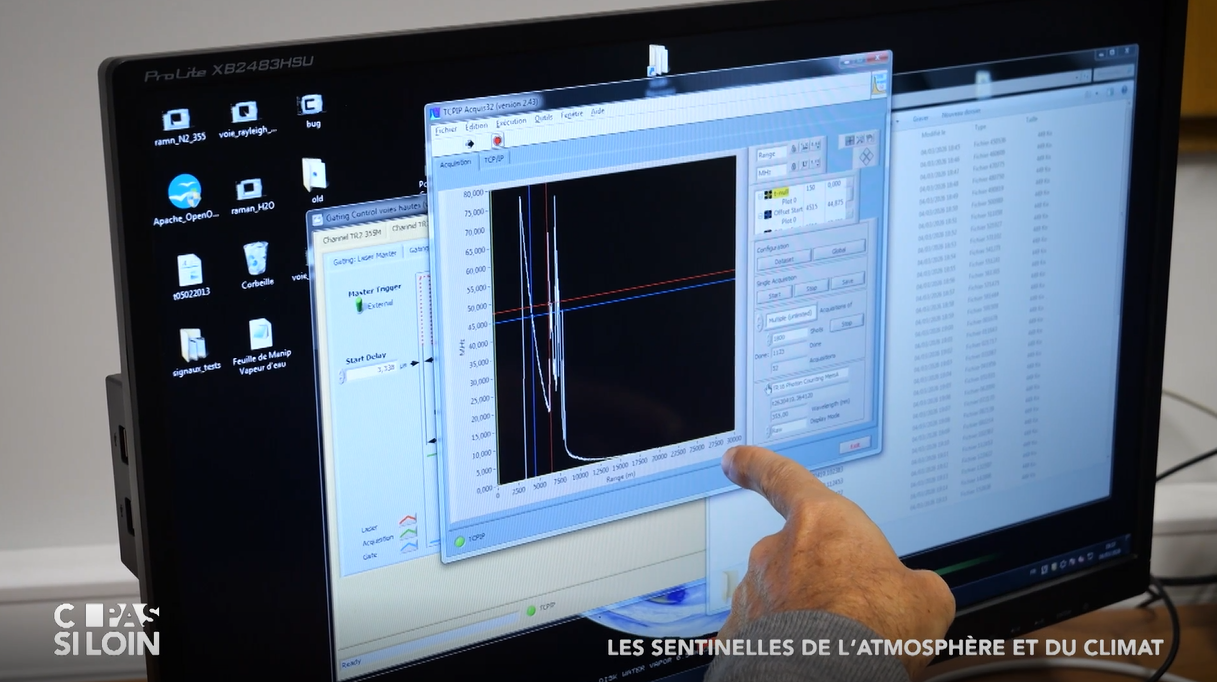
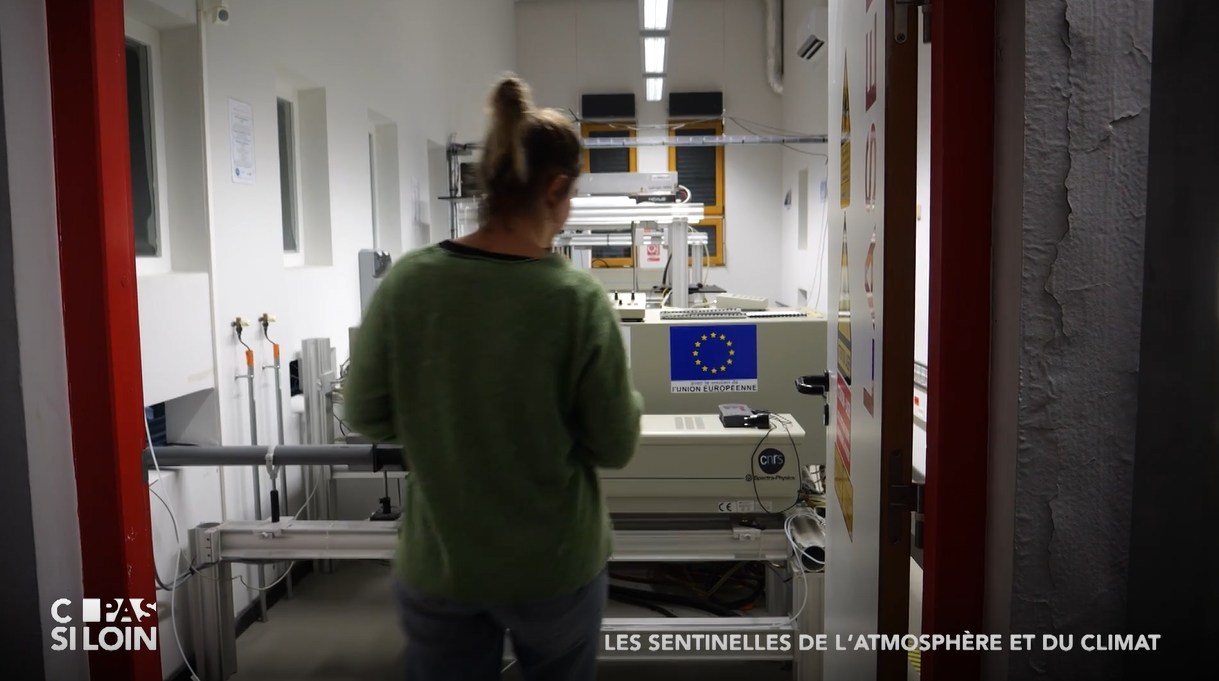
Voice-over: Among these instruments, the laser system known as lidar allows us to observe with precision the various gases and molecules that interact in the atmosphere.
Lidar focuses on the presence of certain particles that play a key role in climate change: aerosols.
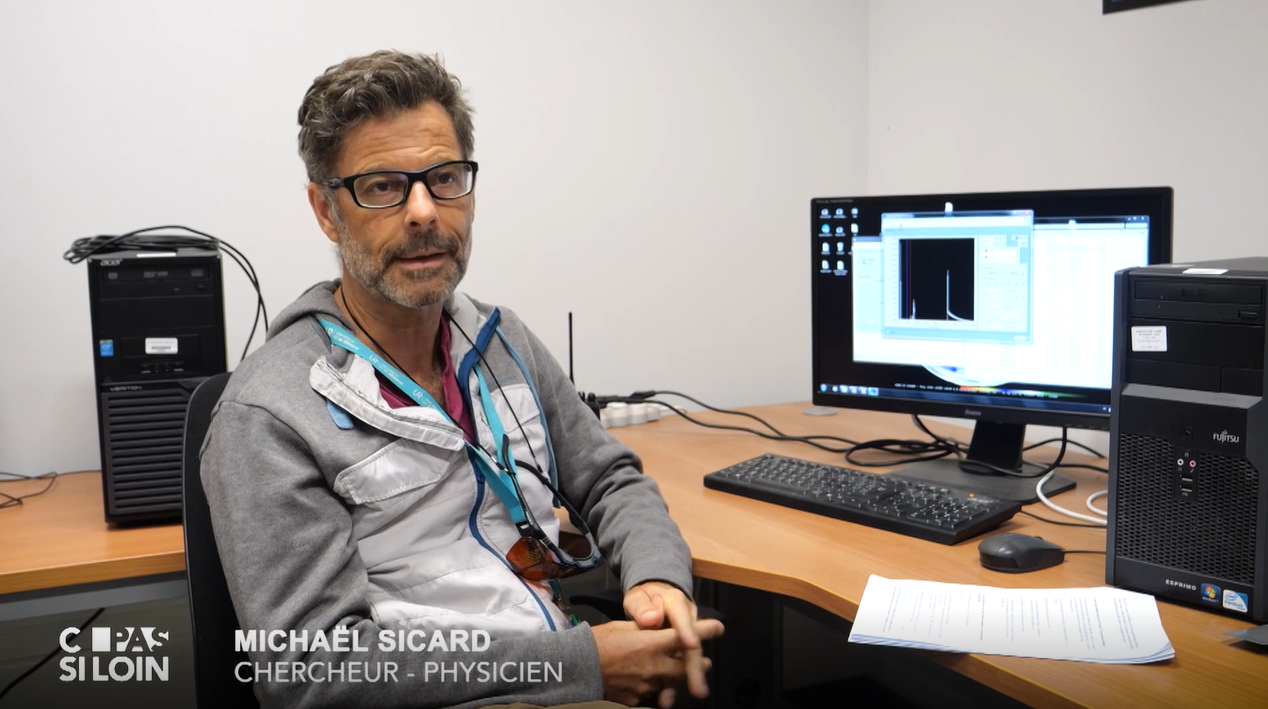
Dr Michaël Sicard: “Aerosols are tiny particles suspended in the atmosphere, measuring just a few tens of micrometres. They are invisible to the naked eye, yet the atmosphere is full of them. Here in Réunion, what we observe in the lower layers of the atmosphere, near the surface, are mainly marine aerosols, which result from ocean spray and are therefore tiny grains of salt. We also observe vehicle pollution because there is very heavy traffic on the island. We also observe long-range transported aerosols resulting from biomass burning, such as forest fires in southern Africa and South America.“
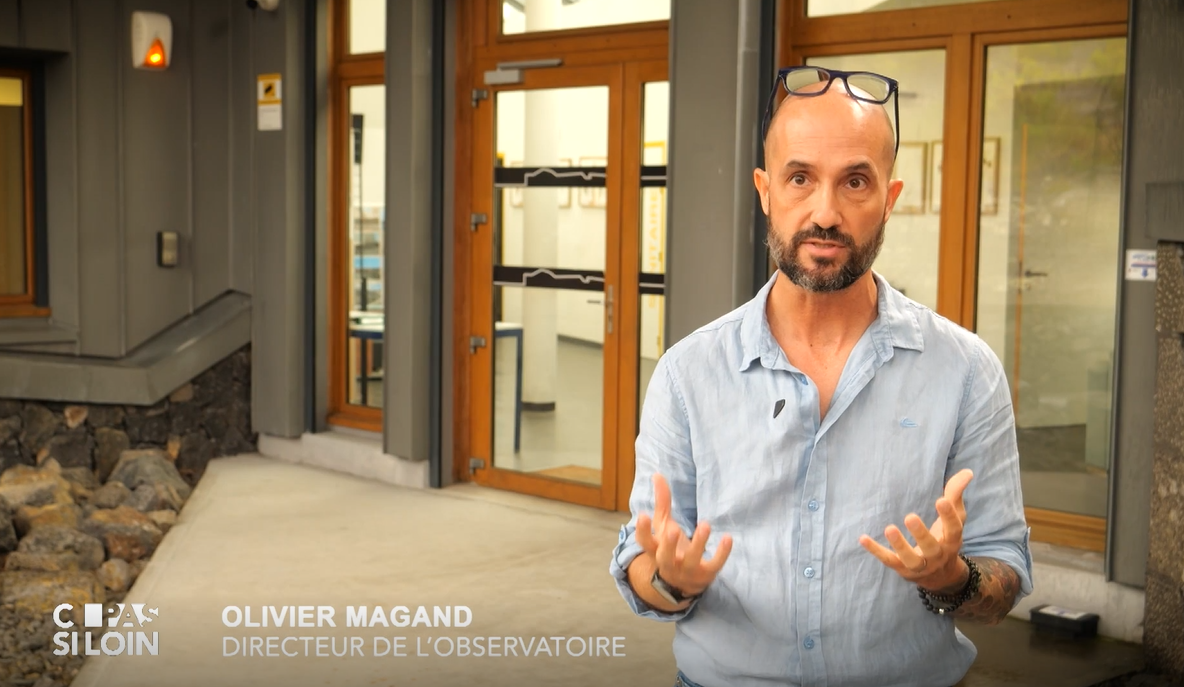
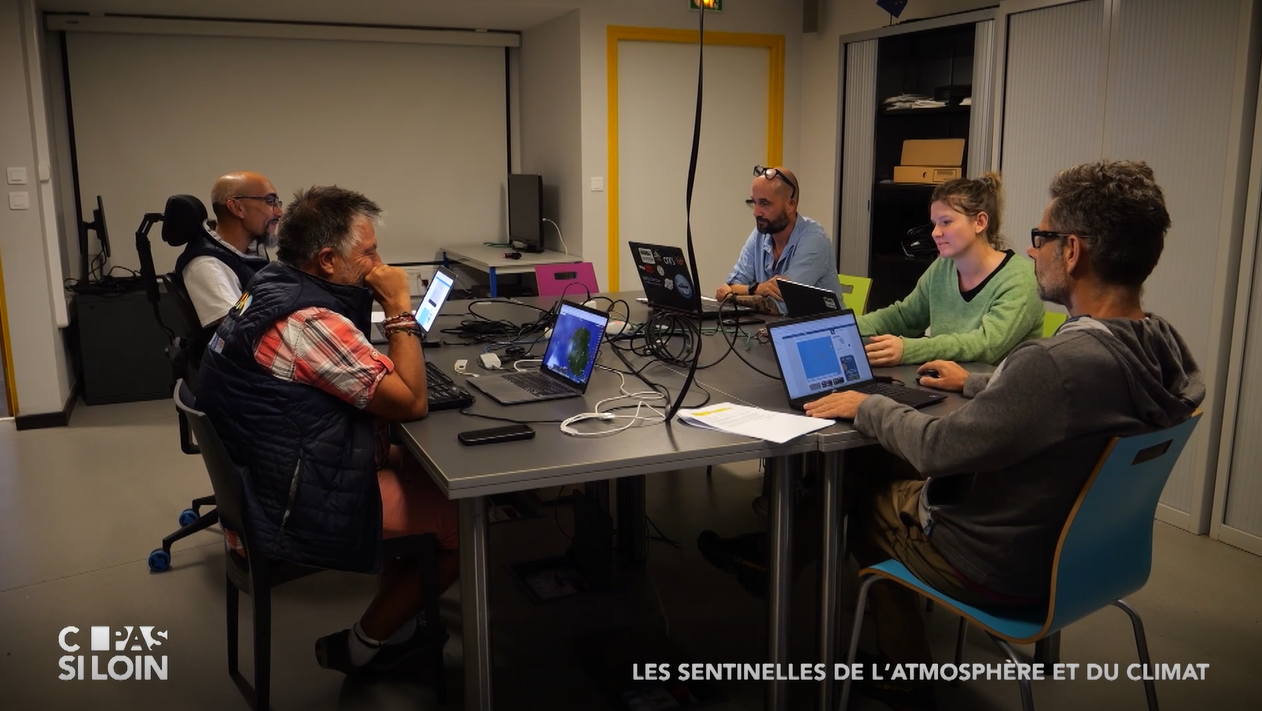
Dr Olivier Magand: The role of scientists in disseminating knowledge is extremely important. Our role is to generate data, interpret it and then build up a body of knowledge that will be handed over to the public authorities so that policy-makers can implement adaptation policies that will enable us to anticipate and predict as effectively as possible the challenges we will face in the coming years, linked to these climate disruptions.
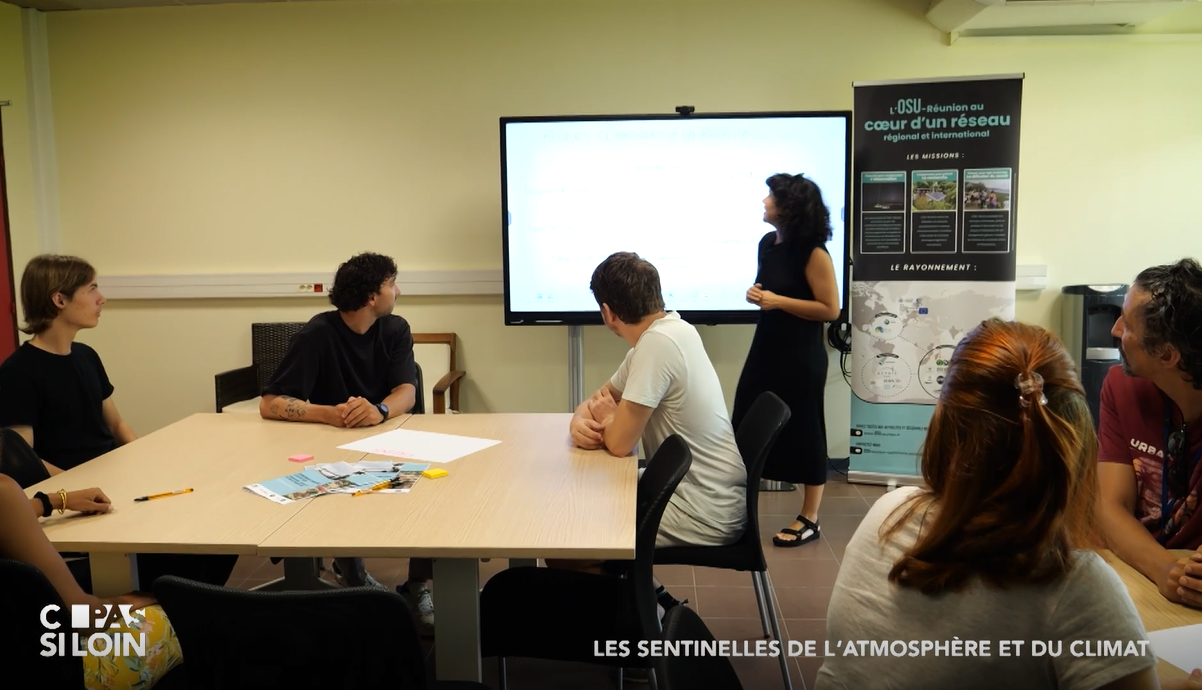
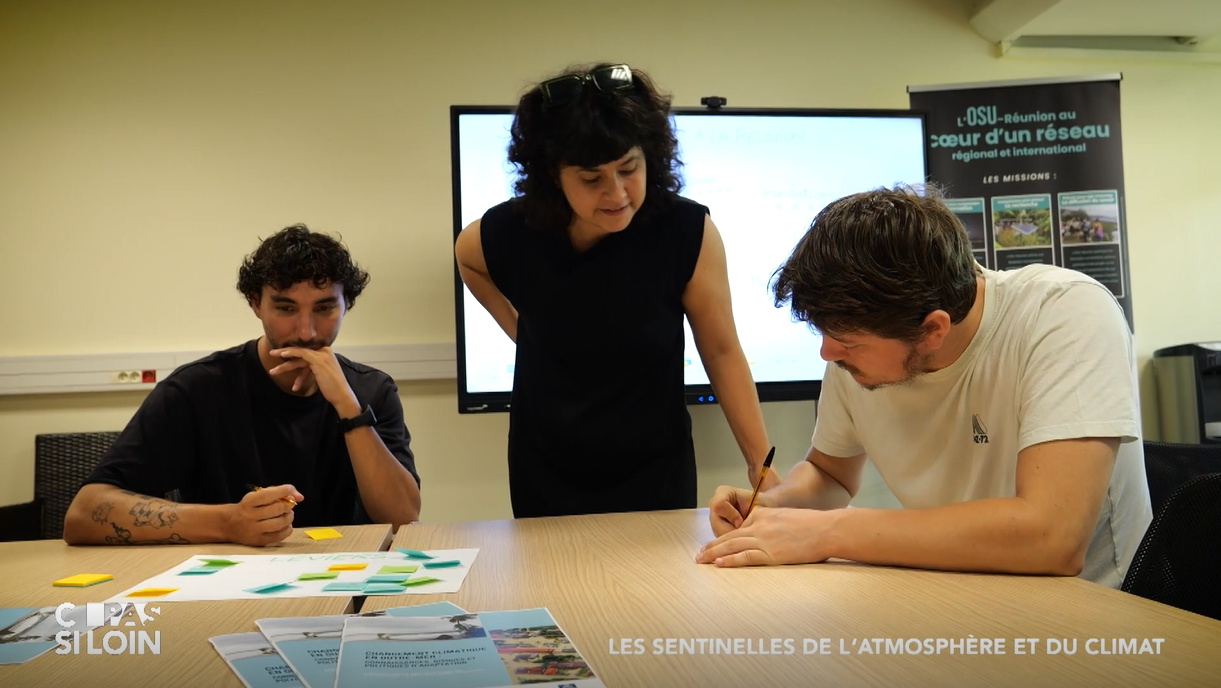
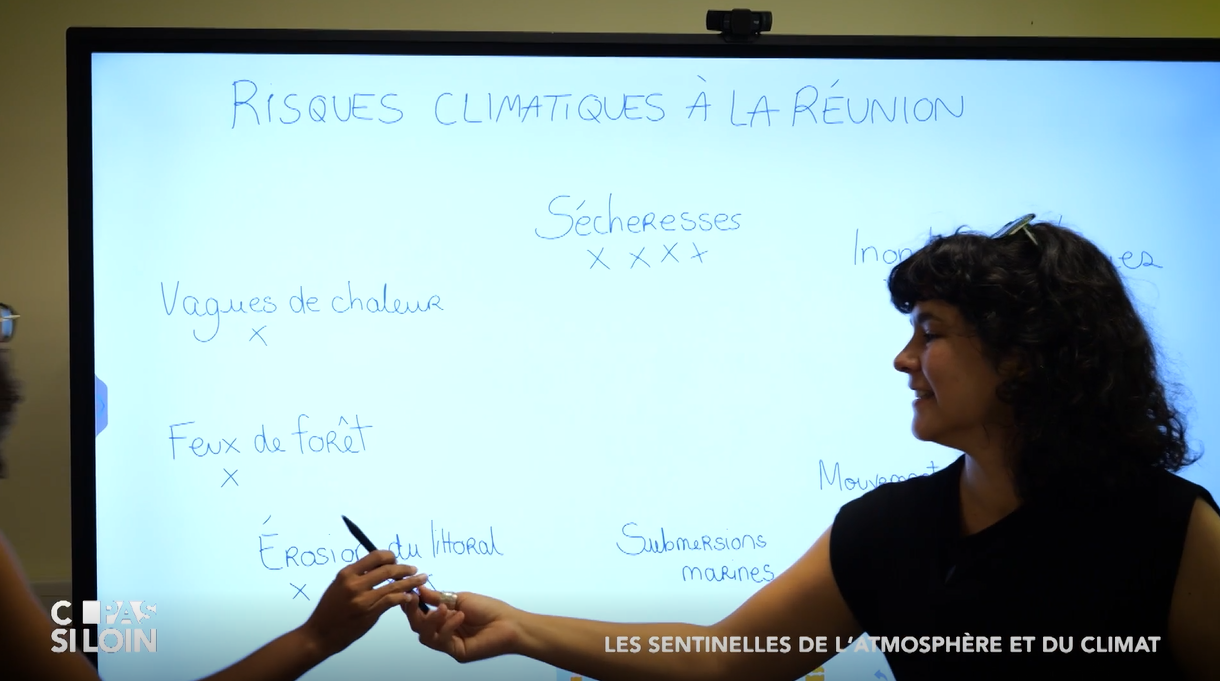
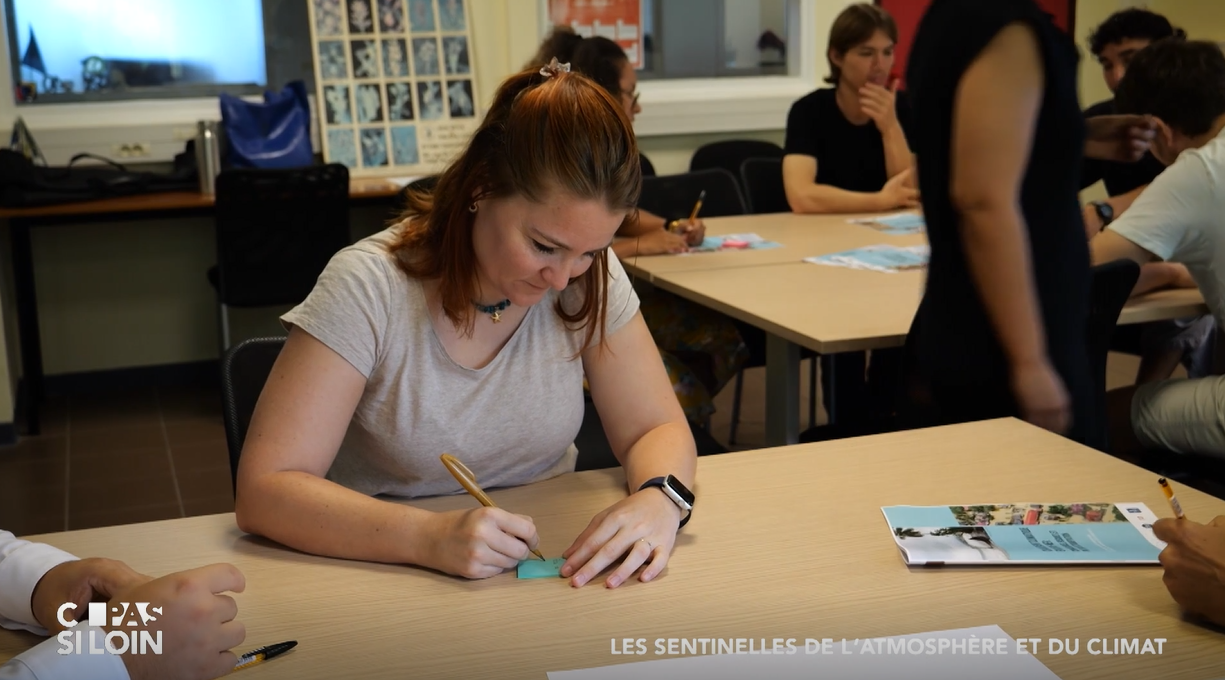
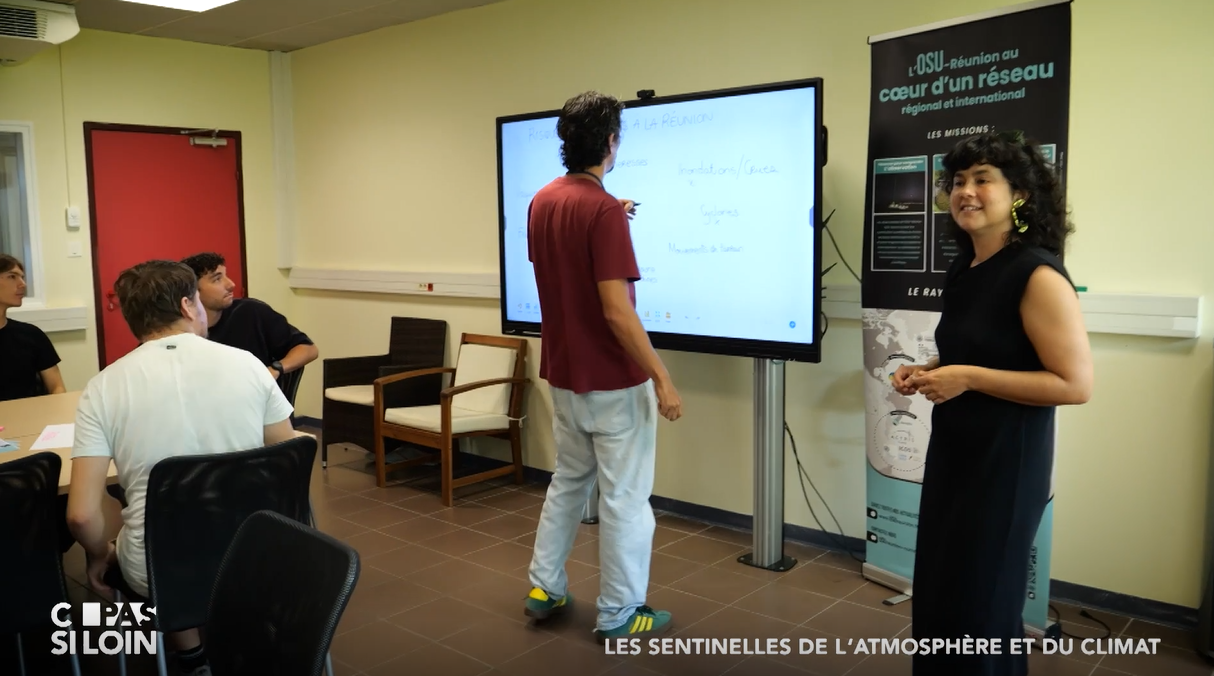
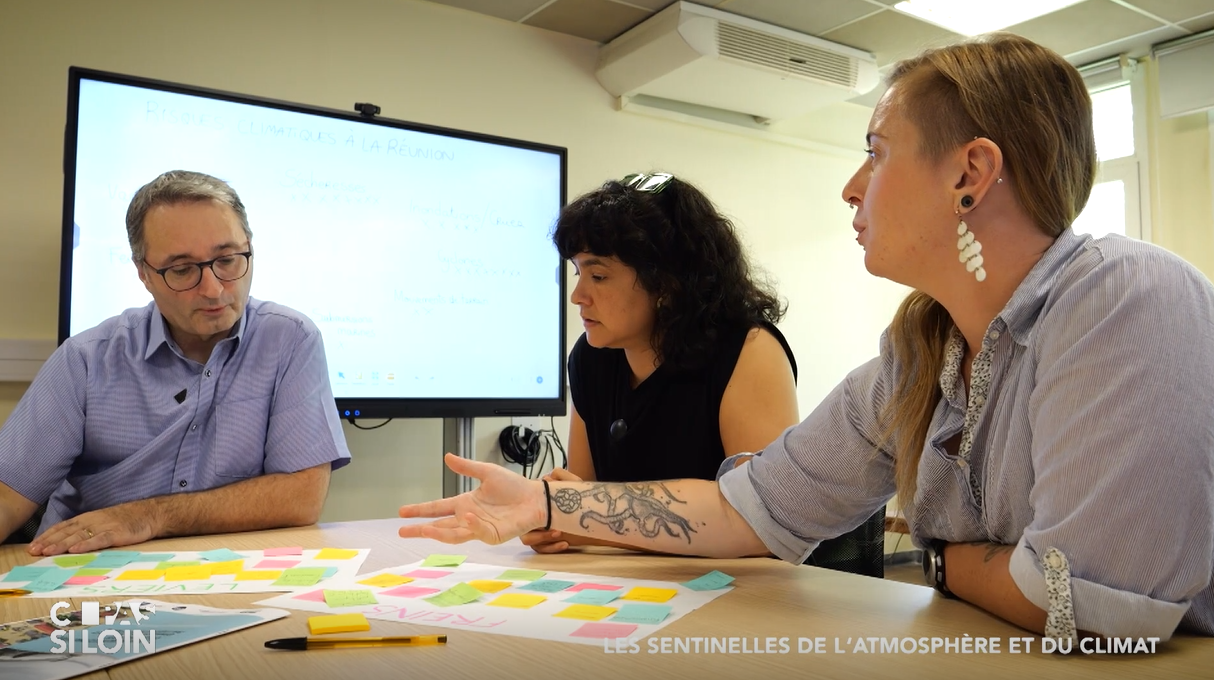
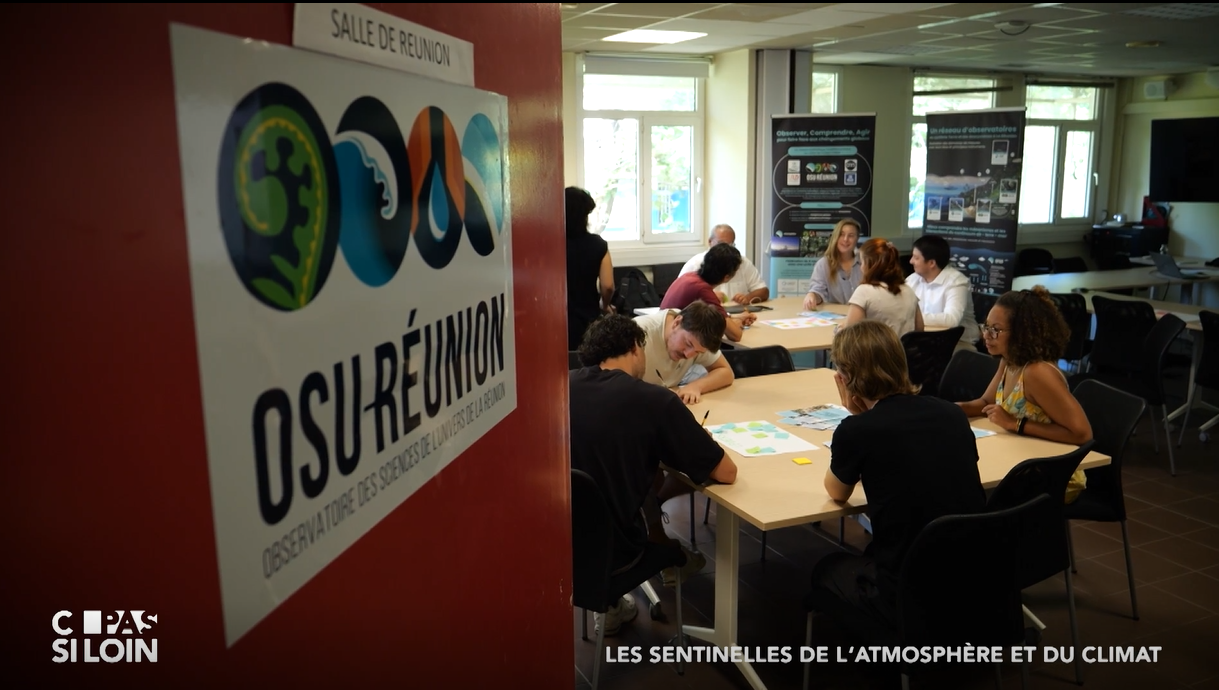
This link between scientists, policymakers and civil society is maintained by the Climate Risks Department of OSU-R at the University of Réunion.
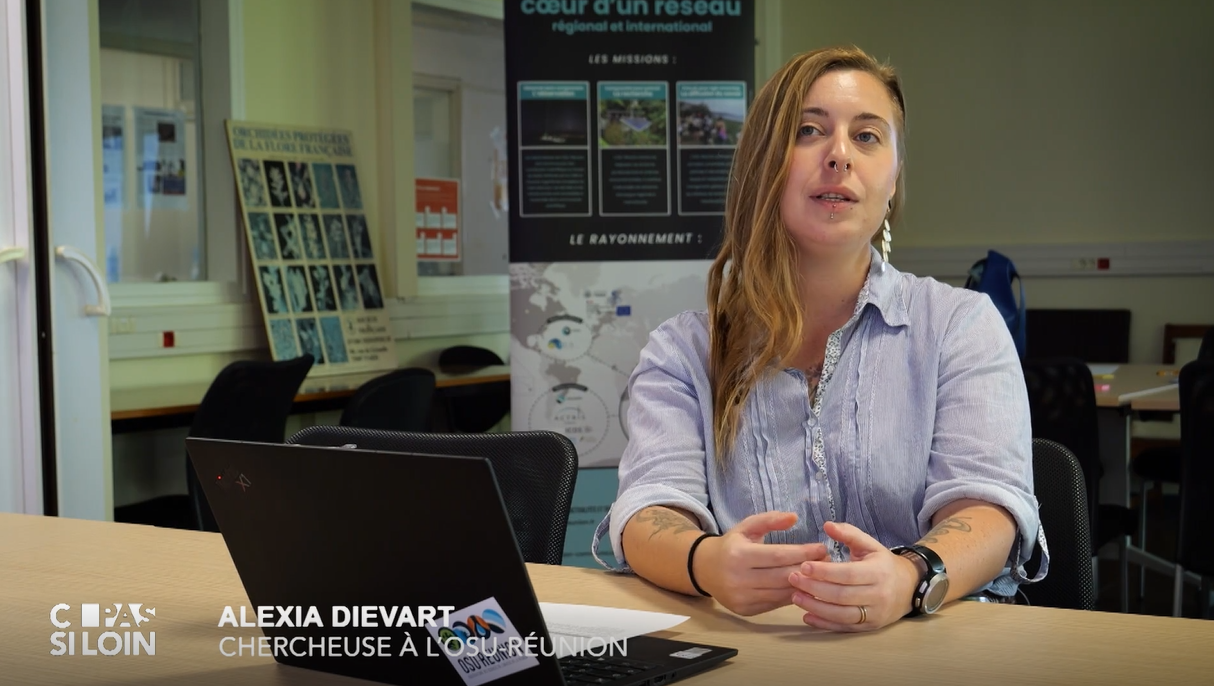
Dr Alexia Dievart: We will be compiling knowledge, carrying out risk analyses, assessing natural hazards, and trying to identify the factors that will facilitate or hinder implementation. Our work is intended for decision-makers.
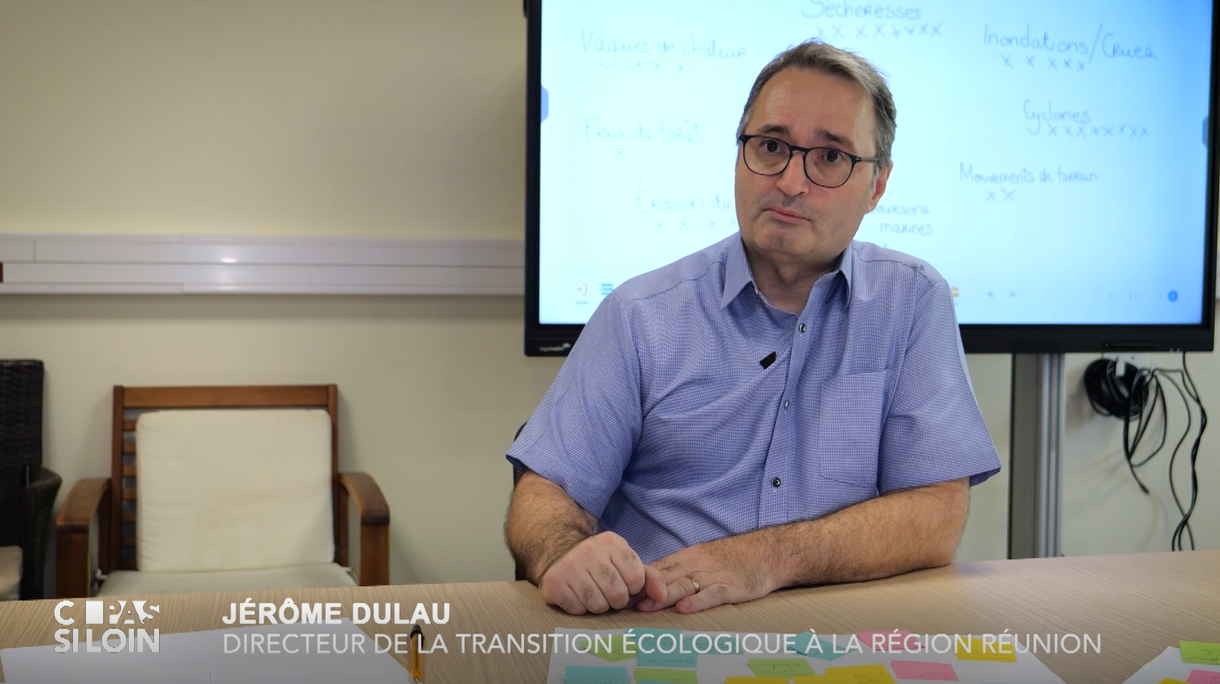
Jérôme Dulau, Director of Ecological Transition for the Réunion Region: “This link between research and local authorities is important to us because public policy – whether it involves local councillors or mayors – needs to be underpinned by scientific research to inform the direction and policies implemented across the region. We need to ensure ‘good adaptation’ rather than ‘bad-adaptation’. The other focus of the Regional Climate Expertise Group (GREC) is to bridge the gap between science and society.”
Beyond the decision-makers, we have civil society, economic, community and social organisations working across the region, and they need us to explain climate change adaptation to them – how it will affect their daily lives and practices, and how it will impact the very heart of Réunionese households. It is gratifying to see that in La Réunion, things are moving in the direction of adaptation, people are responding, and there is an expectation and a positive response to the initiatives launched by scientific bodies and local authorities.